
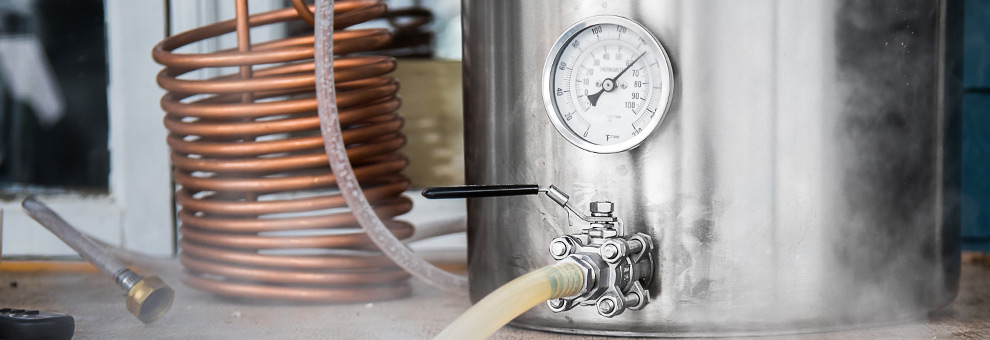
Just about every homebrewing career starts with extract brewing rather than all-grain brewing. Extract brewing requires considerably less equipment, initial brewing knowledge, and time than all-grain brewing. And for many homebrewers, that continues to be their brewing style of choice!
High-quality Briess CBW® pure malt extracts offer professional brewers and homebrewers alike the tools needed to brew award-winning beers that rival their all-grain counterparts. A typical extract homebrewing session takes about three hours, while an all-grain batch could take up to eight. A typical batch size for most extract and all-grain homebrews is five gallons.
Briess performs the first three steps of the brewing process for extract brewers
This normally takes about five hours:
- Mill the grain
- Mash the grain with hot water to convert the starches to sugar
- Lauter (filter) the sugary liquid (wort) from the spent grains. All-grain brewers continue with the next step of the process, while Briess condenses the wort into malt extract
Homebrewers start the brewing process
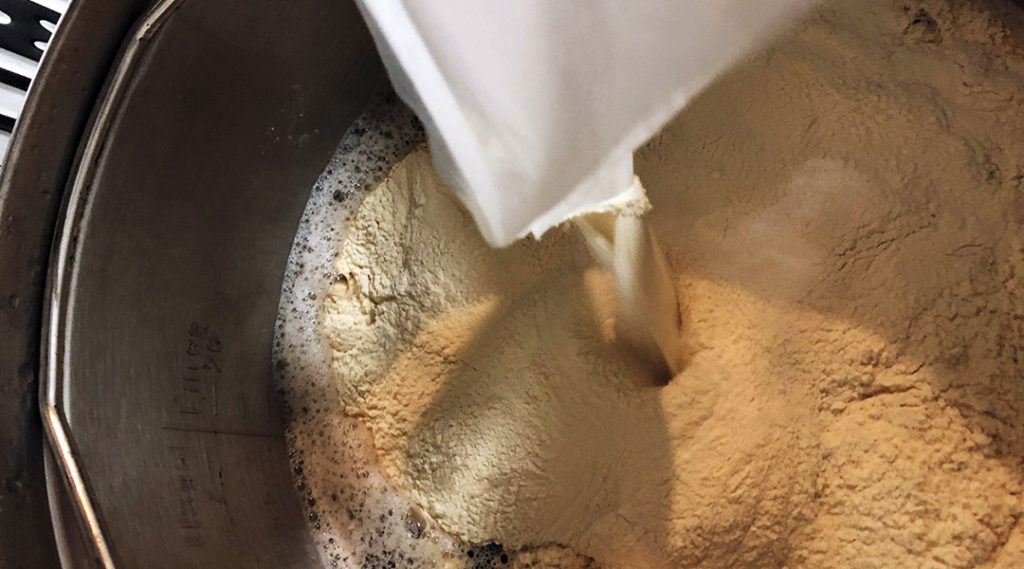
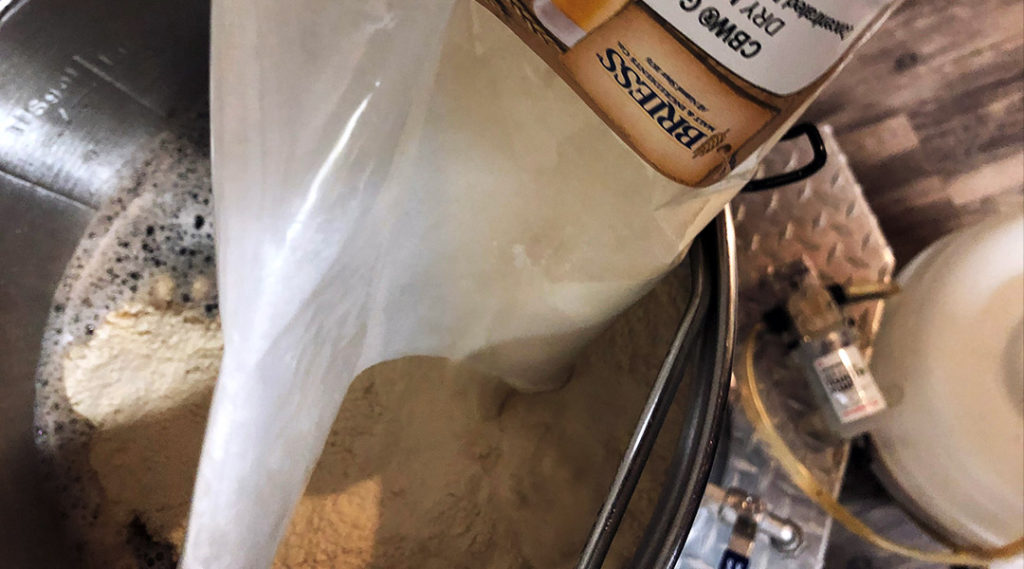
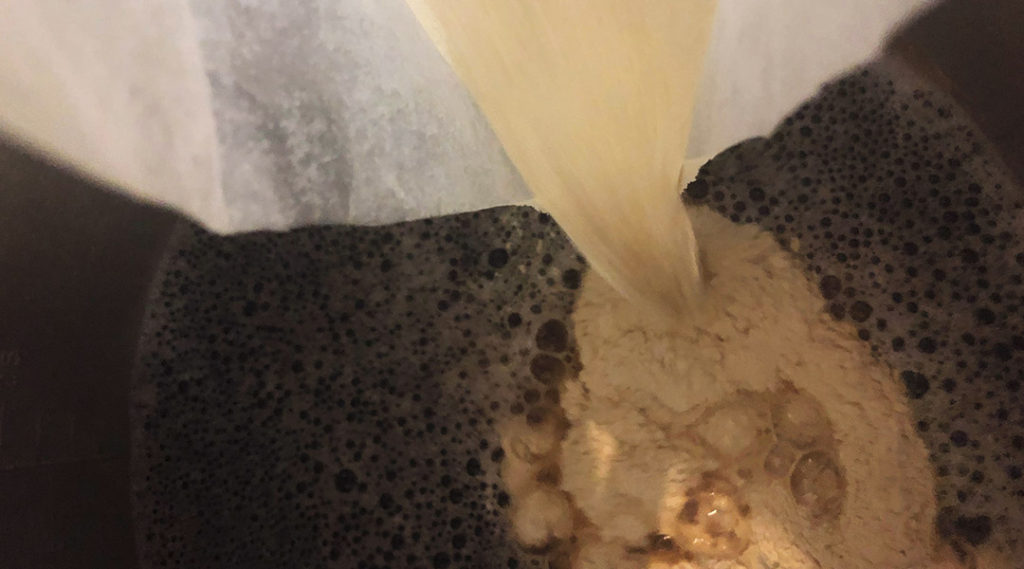
Homebrewers start the brewing process by filling a stainless pot with about 3-4 gallons of water, bringing it to a boil and stirring in the extract to make the wort. At this point the rest of the brewing process is the same for both extract and all-grain brewers and takes about three hours.
- Boil the wort and add hops and other additions according to your recipe
- Cool the wort
- Pitch the yeast
- Ferment
- Bottle or keg to carbonate the beer
- Wait patiently
- Enjoy!
Important tips
A few important tips for homebrewers (that you probably already know but are worth repeating) include:
- Sanitize. Sanitize. Sanitize. The importance of properly sanitizing all equipment and countertops, etc. cannot be stressed enough. If you’re like most apprentice homebrewers you’ll truly understand the significance of this after a batch is undrinkable due to contamination. Don’t beat yourself up too badly if and when it happens. Pretty much all of us have done it. If this hasn’t happened to you, congratulations! You’re a sanitizing guru.
- If the water you’re going to brew with is chlorinated, allow it to stand in an open container overnight before brewing.
- LME—Immerse canisters of Briess CBW® malt extract in warm tap water until softened so they flow more easily.
- DME—To keep Briess CBW® dry malt extract (DME) from clumping, dissolve it in hot but not boiling water (100-120°F) to make a slurry, then add the slurry to your boil.
- Standard homebrew recipes yield five gallons. Prior to brewing, use a permanent marker or tape to indicate the five gallon level on your fermenter. After transferring the wort into the fermenter, add sanitized water to reach the five gallon level.